

“They believe when gun violence drops, the problem is solved.”
By Sophia Battaglia
As gun violence plummets in Philadelphia, researchers and violence prevention organizations say they are worried about their financial future as the federal funding for their work has decreased.
“You’re stripping the community from programs that work,” said Quinzel Tomoney, a supervisor at CeaseFirePhiladelphia.. “When the government moves that money out of these communities, it makes you wonder what we’re really trying to do. Are we really trying to stop the violence?”
Since gun violence peaked at 562 murders in 2021, Philadelphia is on track to record less than half that figure this year as the total number of shootings has plunged according to the Philadelphia Police Department.
In 2022, The U.S Department of Justice created the Bipartisan Safer Communities Act which provided $250 million for grants to help improve crisis intervention services over a 5 year period. Now, $145 million, more than half of that amount was slashed.
“A lot of anti violence interventions have been underfunded, scantily funded with funding instability.” said Jeremy Biddle, director of Violence Reduction Policy and Programs at University of Pennsylvania’s Crime and Justice Police Lab during a June 2025 webinar sponsored by Penn’s Leonard Davis Institute of Health Economics .“This (Bipartistan Safer Commuters Act) was a turnaround moment for the field to really incest in scaleable and sustainable solutions that offer an alternative to the now outdated paradigm of public safety production which realied solely on police prosecutors and prisons.”
In April 2025, The U.S Department of Justice reduced its grant funding by $811 million, which triggered the termination of at least 365 grants nationwide, including grants towards violence prevention initiatives.
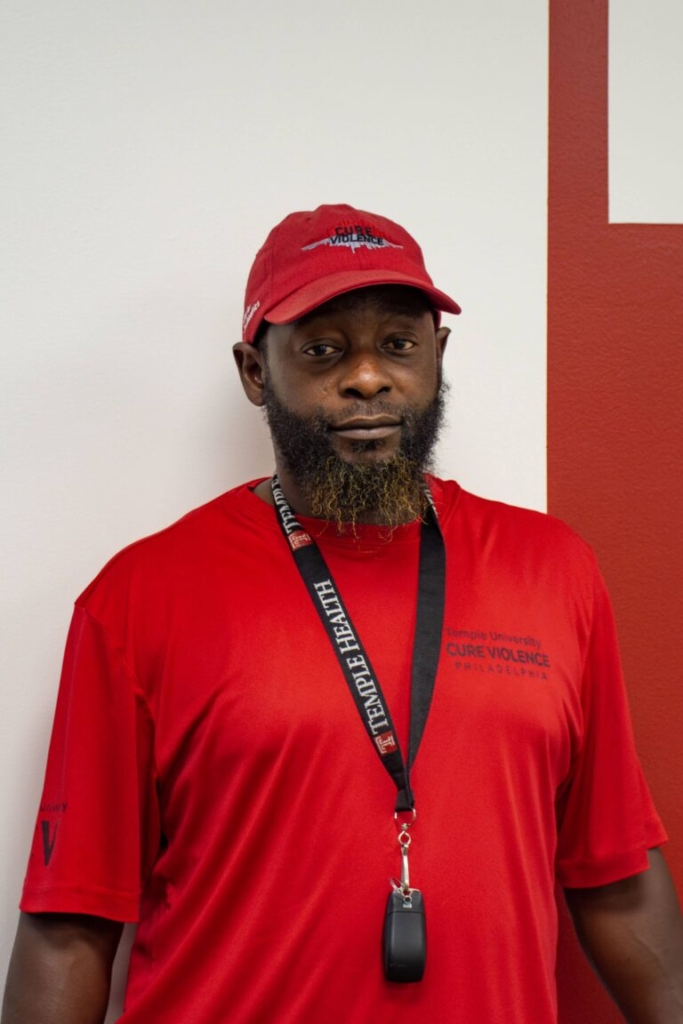
CeasefirePhiladelphia focuses on gun violence prevention in North Philadelphia. Tomney said gun violence still impacts this community. Most of the gun violence victims in Philadelphia are young Black men who live and are shot in North Philadelphia. But it’s a struggle to get politicians to listen.
“When we’re dealing with human life, poverty, and everyday struggles, the funding has to match the work we’re trying to accomplish,” said Tomoney, “They believe when gun violence drops, the problem is solved.”
Tomoney said funding cuts reflect who officials want to credit for the city’s progress.
“The cops get credit for everything,” he said. “That’s why the programs get cut. They’d rather invest in the police so they can say the police are doing an outstanding job.”
The 2025 approved budget for Philadelphia’s public safety plan called for employing 400 extra police officers and strengthening “community policing” capacity as part of a bigger public safety investment package presented by the administration.
Next year’s city budget is roughly $6.7 billion. Nearly 30% of that, about $2 billion, is allocated to public safety resources such as police, fire, prisons, and the criminal justice system.
Philadelphia officials have also raised concerns about broader federal reductions to public safety funding. The city is projected to lose roughly $18 million in federal support through the Urban Area Security, which is not limited to just anti violence initiatives, but overall the city’s public safety initiatives.
“We’re public servants, and we’re not going to use anything as an excuse to (not) get done what we need to get done,” said Adam Geer, the city’s public safety director at a February press conference “So, we’re just going to keep working.”
But Tomoney said the cuts show a lack of political commitment to the neighborhoods that still face trauma daily. CeaseFire receives funding from private partners, but recent losses have limited what the organization can offer.
“We just lost some funding money and it really hurts, he said.”
Ceasefire’s work goes beyond mediation, Tomoney works with young adults himself to help get them back up on their feet after incarceration.
“I don’t only stop violence and do mediations,” Tomoney said. “We get up at three in the morning, and we’re running these guys out to Montgomery County for job interviews.”
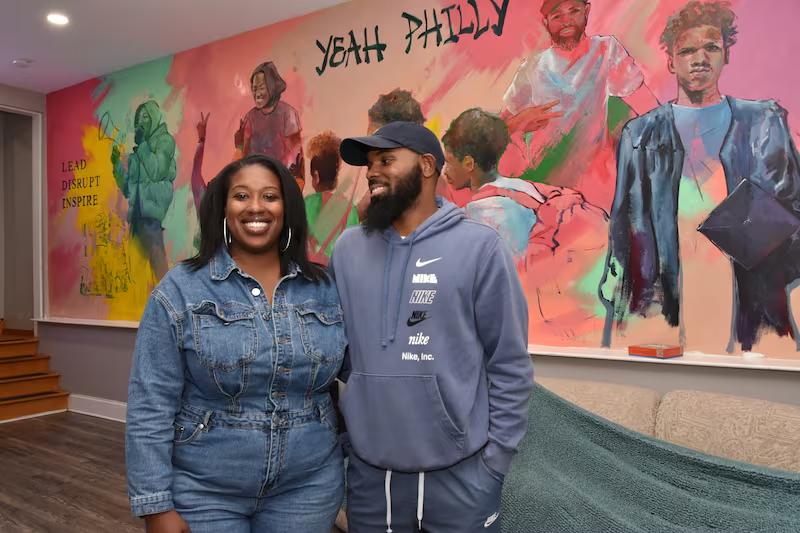
YEAH Philly is a West Philadelphia non-profit that offers trauma-informed counseling, emergency support, conflict mediation, and legal assistance to kids and young people who are or have been involved in violence. James Aye, the co-CEO said that YEAH Philly has lost close to $1 million in funding.
“I think we need these programs to exist long term, because they tend to be some of the most successful programs in our city,” Aye said. “But once they start to be successful, the funding gets pulled back. There’s no long-term funding for it. That’s when the funding barriers really start to happen.”
The YEAH Philly job program has borne off the cuts. It was paused in June 2025. The program focuses on providing young people who have been incarcerated with resources such as paid internships and training.
“They get supportive services from organizations like us, where they even get to see things from a different perspective, and get connected to school, mental health, trades and training.” Aye said.
Despite the federal cuts, Allison Sindlinger, a spokesperson for the Pennsylvania Commission on Crime and Delinquency (PCCD), said state initiatives have increased its own investment in community-based violence prevention.
“Strategic investments by the Shapiro-Davis Administration have been making Pennsylvania communities safer and reducing violence,” said Sindlinger. “The 2025-26 state budget builds on these efforts with a 10% increase for PCCD’s VIP Grant Program, which reduces community violence by relying on community groups that are most in tune with specific local needs, and provides continued funding for afterschool and summer programs and youth mental health services across Pennsylvania schools.”
For the nonprofits that work closest to the violence, these funding debates highlight how much more support they say is still needed.
“There are a lot of systems that cause harm, and then we praise those systems like they’re keeping us safe.” said Aye, “We have to start imagining a city where young people feel safe and free.”
Comments